
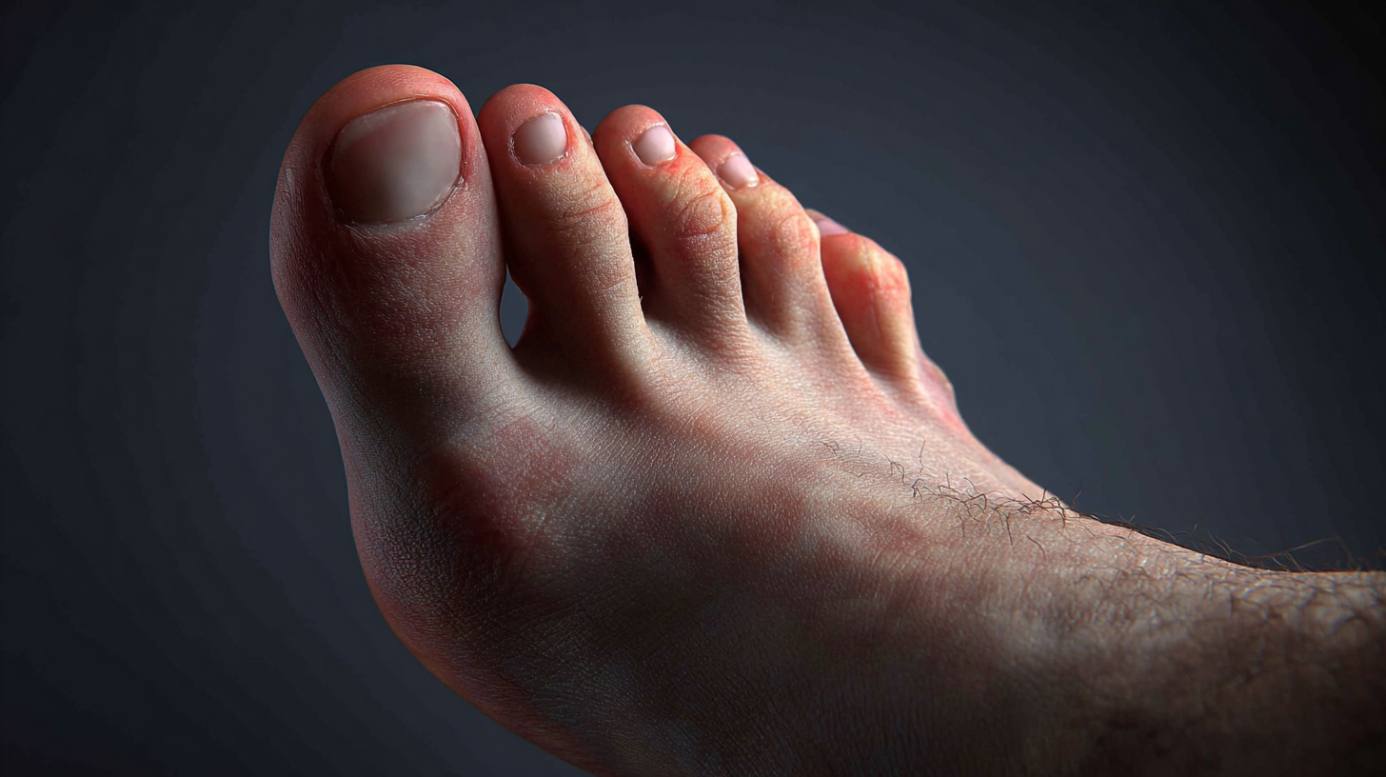
Have you ever looked down at your feet and wondered, “Why does my big toe have a callus?” If so, you’re definitely not alone. Many people experience this, and while it may seem like just a minor inconvenience, it can often be a sign of something more.
Understanding Calluses on Your Big Toe
Calluses are thickened and hardened parts of the skin that develop due to repeated friction, pressure, or irritation. They are the body’s way of protecting the underlying skin from damage. When it comes to your big toe, several factors could lead to the formation of a callus. Let’s explore them in more detail.
What Exactly is a Callus?
A callus is essentially a small, localized patch of skin that has become tougher than the surrounding area. This toughness protects your skin from blisters, cuts, and other injury types but can also lead to discomfort, especially if the callus goes untreated over time.
Common Causes of Calluses on the Big Toe
Footwear Choices
One of the main reasons you might develop a callus is due to your footwear. Shoes that fit poorly or offer inadequate support can cause your big toe to rub against the shoe lining, leading to friction. Over time, this friction results in callus formation.
Gait and Biomechanics
The way you walk or run can also contribute. If your walking pattern, known as your gait, is uneven or if you disproportionately put pressure on your big toe, it might result in a callus. Some individuals may even have specific biomechanical issues that predispose them to foot calluses.
Foot Shape and Structure
Certain foot shapes or structural abnormalities like bunions or hammertoes can also make you more susceptible. These conditions can change the way weight is distributed across your feet, leading to excess pressure in certain areas, including your big toe.
The Importance of Addressing Calluses
While having a callus might seem quite harmless at first, it could actually indicate underlying foot issues or lead to complications if left unaddressed. Understanding why treating them is important can help you make informed decisions about your foot health.
Symptomatic Relief
Calluses can cause discomfort or even pain when walking or standing for prolonged periods. By addressing the issue, you can find much-needed relief.
Preventing Further Complications
Neglecting a callus could lead to more serious problems, such as infections, especially if cracks develop in the skin. For individuals with conditions like diabetes, this can be particularly concerning, as injuries are slower to heal.
Methods of Prevention and Treatment
Taking proactive steps can significantly reduce your risk of developing calluses, or effectively manage them if they do occur.
Proper Footwear
Ensuring that you wear appropriate footwear that fits well can make a big difference. Look for shoes that provide adequate support and cushioning for your lifestyle and activities.
Orthotics and Insole Solutions
Custom orthotics or insoles tailored to your specific foot shape and structure can redistribute pressure more evenly, reducing the risk of callus formation.
| Type of Solution | Benefits |
|---|---|
| Custom Orthotics | Tailored fit, addresses specific foot issues |
| Cushioned Insoles | Additional comfort, absorbs shock |
| Gel Toe Protectors | Minimizes friction and pressure on toe |
Regular Foot Care
Engaging in regular foot care routines can also be helpful. This includes moisturizing your feet daily and gently removing any excess skin buildup. Additionally, routine visits to a podiatrist might provide insights specific to your foot health.
Professional Treatment Options
In certain cases, professional treatment might be your best option, especially if the callus is causing significant discomfort or pain. At LMD Podiatry, Dr. Lauren Dabakaroff offers both surgical and non-surgical solutions tailored to your unique needs.
When to Consult a Podiatrist
While home care and preventive measures can often keep calluses at bay, there are times when you should definitely consult a podiatrist.
Signs You Should See a Specialist
- Persistent pain or discomfort that doesn’t improve with home treatment.
- Noticeable swelling, redness, or pus, which could indicate an infection.
- If you have diabetes or another underlying health condition that affects your circulation or nerve health.
What to Expect During a Podiatry Visit
A podiatrist will begin by assessing your overall foot health and identifying any areas of concern. They may perform a gait analysis to understand how you distribute weight while walking. Based on these findings, they can suggest a treatment plan catered to your needs, which might include orthotics, physical therapy, or, in some cases, surgery.
Conclusion
Having a callus on your big toe is more than just an aesthetic issue; it’s an indicator that something might be amiss with your foot health. Understanding the causes and taking steps to address them is crucial for maintaining your overall comfort and mobility. If you’re unsure about how to handle a callus or if it seems to be worsening, don’t hesitate to reach out to a trusted podiatrist. Taking action now can make all the difference in your long-term foot health.
While the mystery of “why does my big toe have a callus?” might have led you to this article, the journey towards better foot health can start with a few simple steps. Prioritize your feet, because they do a lot for you every day. Remember, professional help is just a call away, especially if you’re seeking advanced care that touches all bases of foot and ankle health.