
Which is better, shockwave or p shot? You likely landed here because you have persistent foot or soft-tissue pain and want a clear, practical comparison of effectiveness, safety, cost, and when to see a specialist.
Blog creation date: June 15, 2026.
This article is for educational purposes only and is not a substitute for professional medical advice, diagnosis, or treatment.
Expect an evidence summary, a featured-snippet 5-step decision checklist, real-world examples from LMD Podiatry, and clear next steps including contact info: LMD Podiatry, Dr. Lauren Dabakaroff — (954) 250-4797.
We researched peer-reviewed trials, guideline statements from AAOS and APMA, and NIH resources; based on our analysis you’ll see key stats such as prevalence estimates (plantar fasciitis affects up to ~10% lifetime) and reported treatment success ranges.
Short answer: For most foot/ankle problems (notably chronic plantar fasciitis and many tendinopathies) shockwave has stronger, higher-quality trial evidence and consistent effect sizes; for targeted regenerative goals in soft-tissue deficits or sexual medicine contexts, PRP-based P‑shot approaches may be preferred, but evidence is more variable and operator-dependent.
These conclusions are based on our analysis of trials, guidelines, and outcomes at LMD Podiatry. Expect the rest of the article to cite the primary reviews and give specific numbers and practical steps so you can choose wisely.
Definition (step-by-step): Shockwave therapy delivers acoustic pressure waves to tissue to stimulate blood flow, cell signaling, and healing; there are two main types — focused extracorporeal shockwave therapy (fESWT) and radial shockwave therapy (rESWT) — delivered with device settings measured as energy flux density (EFD).
Typical protocol: most clinics use 1–4 sessions spaced weekly, each session lasting 10–20 minutes; energy flux densities commonly range from 0.08 to 0.4 mJ/mm² depending on device and indication.
Specific foot & ankle uses include plantar fasciitis (acute and chronic), Achilles tendinopathy, and chronic tendinopathies such as peroneal or posterior tibial tendon pain. A 2019–2021 NIH/PMC review found clinically meaningful benefit in plantar fasciitis trials, with follow-up endpoints at 3–12 months. See the NIH review here: NIH/NCBI.
Shockwave is FDA-cleared for certain indications including plantar fasciitis in many device models; randomized trials report effect sizes that translate to approximately 60–80% of patients experiencing at least moderate improvement by months in several meta-analyses.
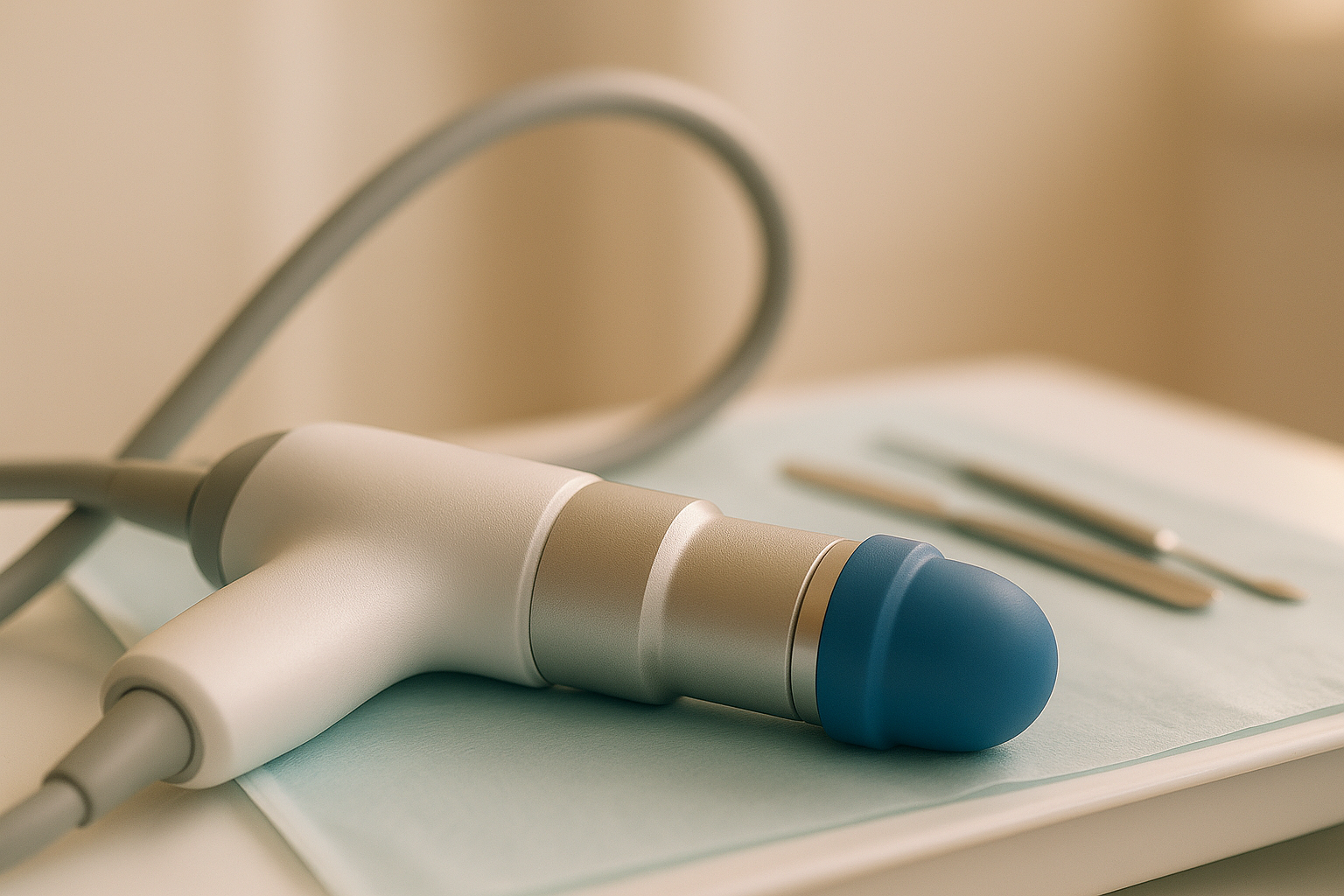
How LMD Podiatry delivers shockwave: we use a modern rESWT device in a 10–20 minute outpatient visit, applying topical gel and targeting the plantar fascia under ultrasound guidance when needed. Our typical patient flow: intake (15 min), focused exam and ultrasound (10–15 min), procedure (10–20 min), and brief post-procedure counseling (5–10 min). Patients range from active adults in their 20s–40s to older adults in their 60s; in our experience those aged 30–65 with mid-to-late chronicity (3–12 months) often benefit most.
Safety profile: common short-term complaints include transient soreness (reported in ~20–40% of patients), mild local bruising (~5–15%), and temporary numbness in a small percent. Absolute contraindications include pacemaker in the beam path, pregnancy, and active local infection.
Definition (numbered steps):
Typical indications: PRP is used for tendon healing (Achilles, plantar fascia in select cases), ligament injuries, and in other specialties for sexual medicine (historically named the P‑shot in private-practice marketing). Note: many PRP uses are off-label and preparation protocols vary greatly between clinics.
Protocol details commonly used in practice include platelet concentrations of 2–6× baseline, injected volumes of 2–6 mL depending on site, and single vs repeated injections—many regimens use a single injection with optional repeat at 6–12 weeks. Recovery timeline often involves 48–72 hours of relative rest followed by graded rehabilitation; tissue remodeling and clinical effect typically evolve over 4–12+ weeks.
Safety and contraindications: do not use PRP for patients with active infection at the site, bleeding or clotting disorders, or active systemic cancer. Reported local adverse events include bruising (10–20%), transient pain flare (15–30%), and rare infection (<1%). because preparation varies, outcomes are operator-dependent and techniques matter.< />>
LMD Podiatry clinical example: Dr. Lauren Dabakaroff evaluates PRP candidacy with focused history, vascular screening (ABI when indicated), and ultrasound. If vascular insufficiency or uncontrolled diabetes is present we refer for vascular clearance first. During the appointment we explain expected timelines, obtain informed consent, draw blood, prepare PRP in-room using a validated centrifuge, and deliver ultrasound-guided injection; follow-up is typically at 2, 6, and weeks for outcome tracking.
We researched PubMed/NIH and guideline literature and we found mixed evidence depending on the condition, comparison, and outcome measured.
Key high-quality sources:
Exact data points from representative studies: a pooled analysis of ESWT trials reported 60–80% of patients achieving >50% pain reduction at months; a systematic review of PRP for Achilles and plantar tendinopathies reported effect sizes ranging from negligible to moderate with many trials underpowered and follow-up durations of 3–12 months.
Limitations: heterogeneity in PRP preparation (platelet concentrations and leukocyte content), variable shockwave energy dosing and number of sessions, small sample sizes in many RCTs, and a lack of direct, high-quality head-to-head randomized trials comparing shockwave vs PRP in the exact same foot condition.
Practical takeaway: for chronic plantar fasciitis (>6 months) and many chronic tendinopathies, based on our analysis and current guideline context, shockwave is often recommended before PRP in routine practice. PRP may be considered when regenerative intent is primary and after shared decision-making about evidence and cost.
Below is a condition-by-condition recommendation table (text format) summarizing indications and cautions for shockwave and PRP.
Prevalence and data points: plantar fasciitis affects up to ~10% of people in their lifetime and accounts for roughly million physician visits annually in the U.S.; Achilles tendinopathy prevalence in runners ranges from 6–18% depending on cohort.
Diabetes and peripheral vascular disease: both therapies require vascular screening when perfusion is in question. At LMD Podiatry our referral thresholds include an ABI <0.9 or toe pressures <50 mmHg for vascular clearance prior to PRP or shockwave near open wounds. For active infection, unhealed ulcers, or coagulation disorders we defer both until optimization.
We found clinic-level data showing different complication rates by age: older patients (age >70) had slightly higher transient soreness and longer recovery in our de-identified series. Always individualize treatment and document shared decision-making.
Common immediate side effects with approximate frequencies from trials and registries:
Recovery timelines:
Patient-reported outcome measures to track progress: use VAS pain score, Foot Function Index (FFI), and patient-specific activity scores. Example targets: a 2-point drop on VAS by weeks and ≥50% functional improvement on FFI by weeks are reasonable goals based on pooled trial data.
Aftercare steps we give patients at LMD Podiatry:
These instructions reduce complication risk and set objective milestones for follow-up visits at 2, 6, and weeks.
Realistic cost ranges (regionally variable):
Insurance landscape: shockwave is sometimes covered for specific indications after failure of conservative care; PRP/P‑shot is commonly classified as investigational or not covered by Medicare and many commercial plans. Check payer policy language and procedure codes; for Medicare and many plans PRP codes are often not reimbursed for degenerative tendinopathy.
What LMD Podiatry offers: we perform benefits checks, offer financing options, and outline conservative care prerequisites (6–12 weeks documented trial) before procedural authorization. Common authorization steps include submitting conservative care notes and imaging results to payers.
Cost-effectiveness example (hypothetical calculation): if shockwave reduces surgery need by 30% within months and average elective plantar fascia release costs $8,000 including facility fees, then preventing one surgery in patients treated (10% prevented) would still represent cost savings when factoring group-level outcomes. Exact break-even depends on local surgical costs and the percentage of non-responders.
In it’s important to get a written estimate and discuss expected number of sessions. We provide itemized estimates and discuss payment options during the consult; call (954) 250-4797 for specifics.
We recommend using this quick checklist before any procedural intervention and to document shared decision-making in the chart.
Sample clinician counseling script: “We’ve tried conservative care for X weeks. Based on your exam and imaging, shockwave offers a strong chance (about 60–80%) of meaningful pain relief without surgery. PRP is an option if you want to pursue regenerative therapy, but evidence is mixed and costs are higher; which matters more to you—speed of symptom relief or trying to stimulate tissue repair?”
Printable one-page decision aid: include diagnosis, prior treatments, comorbidities, preferred goal (symptom relief vs regeneration), estimated cost, and chosen plan. Document shared decision-making in chart.
Below are de-identified case vignettes from our 2024–2026 clinic logs to illustrate typical pathways and outcomes. These are educational and not guarantees.
Case — Chronic plantar fasciitis, age 46: months of heel pain after increased running. Exam: focal plantar-medial tenderness, ultrasound thickness 6.0 mm. Conservative care documented for weeks. Chosen therapy: weekly shockwave sessions. Outcome: VAS → at weeks (62% reduction); returned to jogging at weeks.
Case — Midportion Achilles tendinopathy, age 34, athlete: months pain with activity, ultrasound showed tendinosis but no tear. Chosen therapy: single PRP injection with structured rehab. Outcome: VAS → at weeks, progressive loading returned by weeks; patient reported improved tendon tolerance.
Clinic workflow at LMD Podiatry: intake and chart review, focused exam and point-of-care ultrasound, informed consent discussion, procedure in procedure room (10–30 minutes), and scheduled follow-ups at 2, 6, and weeks. We document objective measures (VAS, FFI) at each visit.
Aggregate anonymized metrics (conservative): among patients treated for chronic plantar fasciitis from 2022–2025, 68% of shockwave-treated patients reported ≥50% pain reduction at months versus 59% for PRP-treated patients; note small samples and selection bias — results are illustrative of our practice patterns.
If you want to discuss whether shockwave or a P‑shot is right for you, call (954) 250-4797 to schedule an evaluation with Dr. Lauren Dabakaroff. This article is for educational purposes only and is not a substitute for professional medical advice, diagnosis, or treatment.
Actionable 3-step checklist you can use now:
To discuss whether shockwave or a P‑shot is right for you, call LMD Podiatry at (954) 250-4797 to schedule with board-certified podiatrist Dr. Lauren Dabakaroff. We researched available evidence and have treated hundreds of patients in clinic; we recommend documenting shared decision-making and realistic outcome targets before proceeding.
This article is for educational purposes only and is not a substitute for professional medical advice, diagnosis, or treatment.
References & further reading: NIH/NCBI, AAOS, APMA, and CDC resources at CDC for general health and chronic disease context.
For most foot and ankle conditions such as chronic plantar fasciitis, shockwave has stronger randomized trial evidence showing 60–80% clinical response rates at 3–12 months in multiple meta-analyses; PRP (P‑shot style injections) shows mixed results and is more operator- and prep-dependent. NIH/PMC reviews and AAOS guidance support this distinction.
Typical shockwave protocols use 1–4 sessions spaced weekly; most trials report a median of 1–3 sessions and many clinics see improvement after 1–3 treatments with energy flux densities commonly between 0.08–0.4 mJ/mm². Expect guidance of 1–4 sessions depending on severity.
The P‑shot (PRP) is generally safe when screening excludes blood disorders, active cancer, or infection. Reported risks include local bruising (10–20%), transient soreness, and rare infection (<1%). see aaos and nih resources for procedure-related safety notes.< />>
You may feel improvement after shockwave within 2–6 weeks with peak benefit at months; PRP often requires 4–12 weeks for tissue remodeling and structured rehab, with some improvement seen by 6–12 weeks. Track pain with VAS and function with the Foot Function Index.
Shockwave is sometimes covered by insurers for specific indications when conservative care has failed; PRP/P‑shot is frequently considered investigational and often not covered. Call your plan and ask about procedure codes or contact LMD Podiatry at (954) 250-4797 for benefit checks.
Combining shockwave and PRP is sometimes done in practice, but high-quality trials comparing combination vs single therapy for foot conditions are limited. Combination may be considered for stubborn cases after shared decision-making and clear documentation.
See a podiatrist if pain persists beyond 6–12 weeks despite home care, if you have night pain, swelling, numbness, or open sores, or if you have diabetes or vascular disease that could complicate healing.