
? Are you trying to figure out whether the price you were quoted for orthotics — especially at the Good Feet Store — is reasonable for the support your feet need?
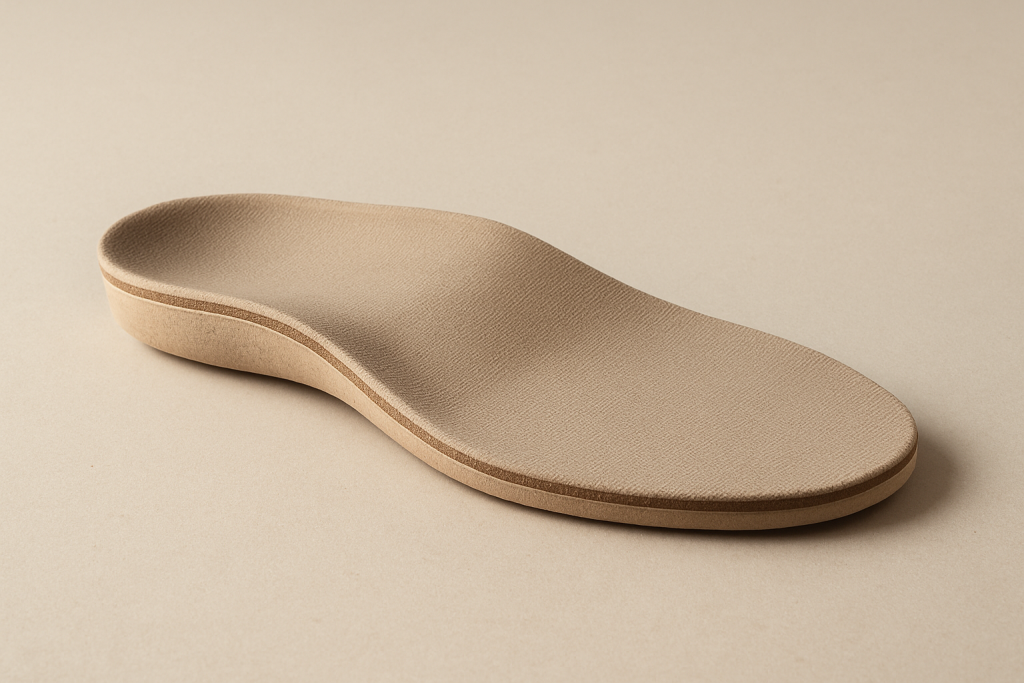
What Is The Average Cost Of Good Foot Orthotics?
If you’re comparing arch supports, insoles, or thinking about custom orthotics, price is one of the first questions you’ll have. Good Feet Store is a well-known retail chain that sells prefabricated arch supports and branded insoles; their prices typically fall between that of mass-market over-the-counter (OTC) inserts and fully custom podiatrist-made orthotics. Below, you’ll find a detailed, practical guide to pricing, value, medical considerations, long-term effectiveness, and how to choose the best option for your feet.
Blog creation date: March 21, 2026
Contact LMD Podiatry: (954) 250-4797
This article is for educational purposes only and is not a substitute for professional medical advice, diagnosis, or treatment. See full disclaimer at the end.
Quick answer (summary)
Good Feet Store arch support pairs commonly cost between about $200 and $700 depending on the model and your store. Over-the-counter insoles usually range $20–$80; podiatrist-prescribed custom orthotics typically range $300–$1,000+ depending on materials and lab services. Which is “worth it” depends on your diagnosis, foot biomechanics, long-term needs, and whether a medical professional has evaluated you.
What are foot orthotics, arch supports and insoles?
Start here so you know what you’re comparing.
- Foot orthotics: Devices inserted into shoes to correct or accommodate foot function, improve biomechanics, reduce pain, or protect sensitive areas. They can be prefabricated (off-the-shelf) or custom-made.
- Arch supports: A type of insert designed primarily to support the arch. These can be full-length or ¾-length and range from soft foam to rigid shells.
- Insoles: A broad term for any in-shoe cushioning or support product. Insoles can be for comfort, shock absorption, or corrective support.
Understanding these definitions is key when you read price lists or sales pitches.
Good Feet Store — what they sell and typical pricing
Good Feet Store focuses on fitting customers with prefabricated arch supports and branded proprietary inserts, often presented as a multi-pair solution.
Typical retail pricing (approximate ranges you can expect):
- Basic arch support / entry-level Good Feet insert: $150–$300
- Mid-range models or combination solutions: $300–$500
- Premium or multiple-pair packages: $500–$700+
- Add-on accessories (replacement toppers, shoe fitting): extra $20–$100
Average cost: If you combine basic and premium sales across locations, a commonly quoted average falls near $350–$450 per pair for Good Feet-branded supports. Some customers report paying more when packages or extra pairs are included.
Prices vary with:
- Store location
- Product model
- Promotions and discounts
- Whether you buy multiple pairs (Good Feet commonly markets bundles)
Over-the-counter (OTC) insoles vs. prefabricated “fitted” inserts vs. custom orthotics — a side-by-side
Here’s a concise table to help you compare cost, customization, and likely value for common scenarios.
| Type | Typical cost (per pair) | Customization level | Best for |
|---|---|---|---|
| Drugstore/OTC insoles (e.g., Dr. Scholl’s) | $20–$60 | Low | Mild discomfort, extra cushioning, temporary relief |
| Branded prefabricated supports (Superfeet, Powerstep) | $35–$130 | Low–moderate (size/arch height) | Everyday comfort, mild biomechanical needs |
| Good Feet Store prefabricated supports | $150–$700 | Moderate (store fitters select from set molds) | People seeking stronger arch support without podiatrist visit |
| Podiatrist-prescribed custom orthotics | $300–$1,000+ | High (made from casts/scans to your foot) | Structural foot pathology, chronic pain, diabetic foot care |
This gives you a sense of where Good Feet sits: more expensive than basic OTC but generally less bespoke than fully custom orthotics made by a podiatrist.
Why prices vary so much
Several factors affect price:
- Materials (rigid carbon fiber shells vs. EVA foam)
- Manufacturing method (CNC-milled shells, 3D-printed, plaster cast lab work)
- Clinical evaluation and gait analysis included
- Brand markup and retail overhead (Good Feet is a retail franchise, so costs reflect in-store services)
- Adjustments and follow-up visits included or not
What doctors and medical authorities say (and why you should consider a podiatrist)
Professional societies like the American Podiatric Medical Association (APMA), American Academy of Orthopaedic Surgeons (AAOS), and NIH research emphasize proper diagnosis and targeted treatment. Foot biomechanics are complex; the same-looking flat foot can have different functional problems requiring different orthotic designs. A podiatrist evaluates your gait, foot pathology, and overall alignment, then recommends either OTC inserts for conservative care or a custom orthotic for structural problems.
- AAOS and APMA both recommend medical evaluation for persistent foot pain or suspected structural problems.
- NIH/NCBI literature shows orthotics can be effective for conditions like plantar fasciitis and symptomatic pes planus, but outcomes vary with device type and patient selection.
If you have complex conditions (diabetic neuropathy, severe arthritis, recurrent ulcers), you should see a podiatrist. These conditions require medical expertise and may necessitate custom orthoses or therapeutic footwear.
Sources: NIH/NCBI systematic reviews; APMA & AAOS position statements (see sources list at end).
Custom orthotics vs. OTC: cost-benefit analysis
When weighing cost vs. benefit, consider short-term vs. long-term outcomes, return-on-investment, and medical risk.
- Upfront cost: OTC is cheapest; custom is most expensive.
- Durability: Custom devices with high-quality materials typically last longer (2–5 years) than foam OTC (6–18 months).
- Effectiveness: For many structural or chronic problems, custom orthotics give better, longer-lasting symptom control because they are made to your foot shape and biomechanics.
- Follow-up: Podiatrists provide refitting, modifications, and medical oversight; retail stores may offer limited adjustments.
Simple cost-benefit table:
| Question | OTC | Good Feet prefabricated | Custom (podiatrist) |
|---|---|---|---|
| Upfront cost | Low | Moderate-high | High |
| Likely symptom relief (mild issues) | Good | Good | Good |
| Likely relief (complex structural issues) | Poor | Variable | Best |
| Durability | 0.5–1.5 years | 1–3 years | 2–5+ years |
| Medical oversight | No | Limited | Yes |
| Insurance/HSA/FSA eligible | Sometimes | Sometimes (with documentation) | Often (with prescription) |
If you expect long-term need and have structural problems, custom orthotics often provide better cost-per-year value despite higher upfront costs.
Long-term effectiveness — what the evidence suggests
Studies show orthotics can reduce pain and improve function for conditions such as plantar fasciitis, flat feet, and certain overuse injuries. However, outcomes depend on:
- Correct diagnosis (a device tailored to an actual biomechanical problem is more likely to help)
- Quality and rigidity of orthotic materials
- Patient compliance and proper shoe use
- Follow-up adjustments
Long-term effectiveness also depends on addressing the root cause: muscle weakness, poor footwear, or systemic issues (arthritis, diabetic changes) need broader treatment plans.
NIH/NCBI research shows mixed results in studies that lump all orthotics together; custom devices usually perform better in targeted cases. This is why seeing a podiatrist for diagnosis increases the chance of a successful long-term outcome.
Staff qualifications, medical expertise, and diagnosis — what to watch for
Good Feet Stores typically employ trained fitters, not necessarily podiatrists. Key differences:
- Podiatrist: medical education, clinical diagnosis, can prescribe therapeutic orthotics for medical conditions, provide medical justification for insurance/HSA/FSA.
- Store fitter: trained in product fitting and sales. Some fitters have extensive experience and training in gait analysis, but they are not medical doctors.
Red flags to watch for:
- A quick in-store “diagnosis” presented as medical opinion without a licensed clinician on staff
- High-pressure tactics to sell multiple pairs immediately
- Claims that prefabricated inserts are equivalent to custom devices for all conditions
If staff qualifications or medical expertise are important to you — especially for complex pathology — get a podiatric evaluation.
Good Feet Store — common praise and common criticisms
Praise:
- Offers convenient in-person fitting and immediate take-home products
- Some customers report rapid comfort improvements
- Staff can be helpful for shoe recommendations and immediate adjustments
Criticisms (reported by some podiatrists and consumer reviews):
- Prefabricated inserts are sometimes sold as if they are custom orthotics
- Some stores use aggressive sales tactics and encourage buying multiple pairs
- Not always staffed by licensed medical providers
Be informed: Good Feet may be appropriate for many people, but for chronic or medically complex issues, you should consult a podiatrist.
Case studies and testimonials (anonymized examples)
Real-world examples illustrate trade-offs; these are anonymized composite cases based on typical patient journeys.
Case 1 — Mild plantar fasciitis, recreational runner:
- Approach: Tried OTC insoles first with limited help, then purchased Good Feet arch support.
- Outcome: Significant short-term pain reduction; returned for small adjustments. Could run again with better comfort.
- Takeaway: For moderate symptoms, prefabricated supports can be cost-effective and fast.
Case 2 — Chronic forefoot pain and bunion progression:
- Approach: Consulted podiatrist; custom orthotics prescribed and made from 3D scan.
- Outcome: Pain reduced, progression slowed; custom orthotics were more comfortable in the long run when paired with shoe modifications.
- Takeaway: Structural pathology often benefits more from custom orthotics despite higher cost.
Case 3 — Negative experience: mismatched expectations
- Approach: Bought multiple pairs of Good Feet supports after brief fitting.
- Outcome: Minimal relief and difficulty returning or modifying. Patient felt sales pressure and ultimately sought podiatrist evaluation.
- Takeaway: If you feel pressured into multiple purchases, pause and seek medical assessment.
Best practices for choosing orthotics
Use this checklist when deciding where to buy orthotics:
- Get a medical evaluation if you have persistent or severe pain, systemic disease (diabetes, neuropathy), or signs of structural deformity.
- Ask about staff qualifications: are there licensed podiatrists or orthotists on-site? What training do fitters have?
- Request a trial period and clear return/exchange policy.
- Ask for details about materials and manufacturing methods (EVA foam vs. carbon/polypropylene shell).
- Check whether adjustments and follow-up visits are included.
- Confirm the device’s compatibility with your shoes — some orthotics won’t fit in narrow dress shoes.
- If seeking reimbursement from HSA/FSA or insurance, ask for a medical necessity letter or prescription from a clinician.
- Read independent reviews from patients and check for any reported high-pressure sales practices.
Impact across age groups
Children:
- Orthotics in kids can be useful for symptomatic flatfeet or gait abnormalities, but growth considerations mean frequent reassessment and re-fitting.
- Conservative treatment (exercises, supportive shoes) is often preferred unless symptoms are persistent.
Adults:
- Orthotics can correct overuse injuries, plantar fasciitis, and help with occupational foot stress.
- Lifestyle and footwear choices strongly affect outcomes.
Older adults:
- Orthotics help with balance, reduce pressure in arthritic joints, and cushion fragile skin.
- For diabetics and people with neuropathy, orthotics must be medically supervised to avoid ulceration.
Age-specific recommendation: Always consult a podiatrist for children or medically complex elderly patients.
Foot problems and orthopedic conditions often helped by orthotics
Orthotics may be indicated for:
- Plantar fasciitis
- Posterior tibial tendon dysfunction / adult-acquired flatfoot
- Overpronation-related knee or hip pain
- Metatarsalgia (forefoot pain)
- Mild to moderate hallux valgus (bunions) symptom relief
- Arthritis-related cushioning needs
If you have skin breakdown, ulcers, severe neuropathy, or circulatory problems, see a podiatrist. These conditions require medical judgment and often specialized therapeutic footwear.
High-quality materials and individual customization — what to expect
Better orthotics often have:
- Rigid or semi-rigid shells (polypropylene, carbon fiber)
- Top covers of leather or shock-absorbing EVA
- Precise molding from plaster casts or modern 3D scanning
- Lab-fabricated corrections specific to your foot contours
Prefabricated inserts may use quality materials but cannot equal true customization. Some retail brands combine modular shell components to approximate customization; this can be effective for many—but not all—patients.
Foot care accessories worth considering
Accessories that pair well with orthotics:
- Shoe inserts toppers for cushioning
- Shoe stretchers for tight toe boxes
- Supportive footwear with removable insoles
- Compression socks for circulation support
- Strapping/taping for acute support during flare-ups
These accessories are lower-cost ways to extend comfort and orthotic function.
Insurance, HSA, FSA — what to expect
- HSA/FSA: Often reimbursable if you have a letter of medical necessity from a clinician stating the orthotic is needed to treat a specific condition. Some OTC items may be eligible without documentation depending on current IRS rules; check your plan.
- Insurance: Coverage varies widely. Some private insurers partially cover custom orthotics with a prescription; many do not cover over-the-counter arch supports. Medicare generally does not cover routine shoe inserts, but there are exceptions for diabetic therapeutic shoes under specific conditions and with documentation.
- Good Feet: They typically provide receipts; whether these qualify for HSA/FSA/insurance reimbursement depends on your plan and whether you have a clinician’s prescription/letter.
Always check your benefits and get the necessary medical documentation before purchasing if you plan to seek reimbursement.
How to avoid negative experiences and get the best value
- Get a second opinion if you’re not sure a store’s recommendation aligns with your symptoms.
- Ask for a written estimate and all product details before purchase.
- Confirm the return policy and adjustment policy.
- If you have a medical condition, request a formal evaluation from a podiatrist first.
- If price is a barrier, discuss lower-cost prefabricated options or phased care (start conservative, escalate if needed).
Comparing brands — Good Feet vs. Superfeet vs. custom podiatrist orthotics
- Good Feet: Retail-focused, prefabricated supports, immediate fitting. Good for faster relief in many patients but less customization than podiatrist-made devices.
- Superfeet/Powerstep: Widely available, affordable prefabricated supports varying in arch height and rigidity. Good for everyday comfort and mild biomechanical needs.
- Custom podiatrist orthotics: Tailored to your foot with medical oversight; best for long-term biomechanical correction and complex pathology.
Your choice should be driven by diagnosis, budget, footwear needs, and whether you want medical oversight.
Final recommendations — how to decide
- If you have mild, non-structural foot pain or want a low-cost test: try OTC insoles from reputable brands.
- If you need stronger arch support immediately and want in-person fitting: Good Feet or a specialty store can be useful — but ask about staff qualifications and trial policies.
- If you have chronic, structural, or medically complex issues: see a podiatrist for a professional diagnosis and consider custom orthotics for best long-term results.
Remember: the cheapest option isn’t always the most cost-effective over time. A well-made orthotic that solves your problem for years can save money and pain in the long run.
Frequently Asked Questions
What is the average cost of inserts from the Good Feet Store?
Good Feet Store inserts commonly range from about $150 to $700 per pair depending on model, materials, and whether you buy a package of multiple pairs. The average paid by many customers tends to be in the $350–$450 range, but local pricing and promotions can change that.
What do podiatrists think about the Good Feet Store?
Opinions vary: some podiatrists acknowledge Good Feet can help many people seeking immediate support, while others criticize the store for using non-medical staff to sell prefabricated inserts and for suggesting these are equivalent to custom orthotics. Podiatrists emphasize that persistent or complex foot problems benefit from a medical evaluation.
Are good foot inserts worth the price?
It depends on your needs. For mild to moderate pain and general support, a high-quality prefabricated insert can be a cost-effective, immediate fix. For chronic or structural issues, investing in custom orthotics prescribed by a podiatrist often provides better long-term value despite higher upfront costs.
Is there a cheaper alternative to the Good Feet Store?
Yes. Drugstore insoles and reputable prefabricated brands (e.g., Superfeet, Powerstep) are cheaper and can provide good support for many people. However, they may not offer the same level of support some people need for structural foot problems; for that, a podiatrist-prescribed custom orthotic is often the better, though more expensive, option.
This article is for educational purposes only and is not a substitute for professional medical advice, diagnosis, or treatment. If you have persistent foot pain, open wounds, numbness, or a systemic condition (like diabetes), contact a qualified podiatrist for evaluation.
For expert foot and ankle care, contact LMD Podiatry, led by board-certified podiatrist Dr. Lauren Dabakaroff: (954) 250-4797.
Sources and further reading:
- National Institutes of Health (NIH) / PubMed: Various systematic reviews on orthotic efficacy
- American Podiatric Medical Association (APMA) — position statements on orthotics and foot care
- American Academy of Orthopaedic Surgeons (AAOS) — clinical guidance on foot pain and orthoses
Publication disclaimer: No guarantees are made regarding clinical outcomes. For medical decisions, consult your clinician.